
The Real-Talk Guide to Perimenopause, Menopause, & All Things Hormones
|
You are not losing your mind. You are losing your hormones! Your body is changing—and you deserve clear answers, individualized care, and a plan that makes sense. |
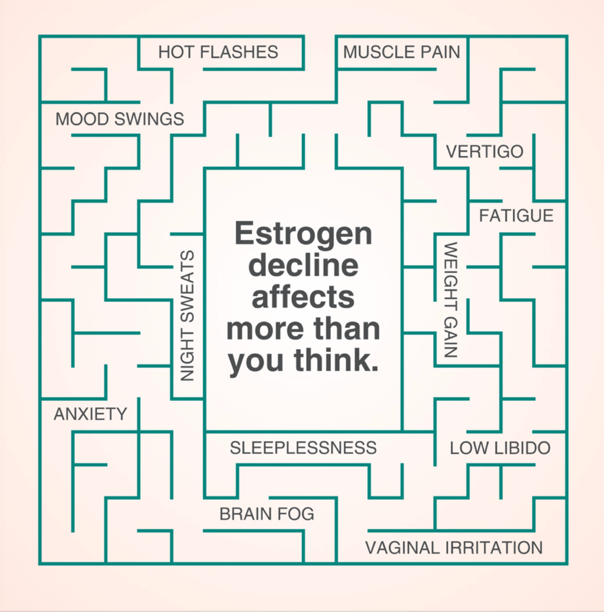
Your body can feel like it is revolting against you. You gain weight even though you are dieting and exercising. You are hot one minute and freezing the next. Sleep disappears. Anxiety, depression, mood shifts, brain fog, migraines, bloating, hair thinning, fatigue, and a vanishing sex drive can all show up at once.
You did not sign up for this. And when you ask for help, the answers can be just as confusing as the symptoms. One doctor says one thing, a friend says another, and the internet sends you straight into a black hole.
Here is the first thing I want you to know: you are not alone. More than half of the world’s population will experience menopause. That does not make your symptoms “normal” in the sense that you should simply suffer through them. It means millions of women need better education, better conversations, and better support.
My Story: I Thought I Was Dying
At 38, I was a confirmed workaholic—as if I am not one now! I was running two businesses, volunteering for a local nonprofit, caring for my husband and business partner, and raising a 10-year-old child. In the middle of all that, I still desperately wanted one more baby.
Then it happened. I missed a period. The tests were positive, and we were thrilled. But something felt off.
A few months into the pregnancy, I went shopping with my mom. She wanted to buy me a whole new maternity wardrobe, but I kept saying, “No, not yet.” Two weeks later, I was doubled over in pain on the bathroom floor. I will spare you the details. It was brutal.
I kept trying to move forward, but for years I truly felt like I was dying. I dealt with bloating, migraines, crushing fatigue, aches, insomnia, low libido, thinning hair, and painful sex. I kept pushing through, telling myself, “It is going to get better. I am only 40.”
It did not get better. By 44, my periods had stopped completely. I was convinced I had cancer. My husband came with me to the gynecologist because we were both terrified. When I asked if it was cancer, she smiled and said, “No, honey. You are in menopause.”
I remember sitting straight up and asking, “What is that?”
That moment changed the direction of my life. It eventually led me to become a Traditional Naturopath—not only to understand and support my own body, but to help other women stop suffering in silence.
| Now let’s bring the conversation back to you—and all those wild symptoms that no one properly explained. |
The Four Stages
The language around menopause is confusing, so let’s make it simple.
| Stage | What It Means | What You May Notice |
| Premenopause | Your reproductive years before the menopausal transition begins. Ages 12-40. | Regular or mostly regular cycles. |
| Perimenopause | The years around menopause, when ovulation and hormone patterns become increasingly unpredictable. Usually starts in our 40’s | Irregular cycles, hot flashes, night sweats, sleep problems, anxiety, brain fog, vaginal dryness, changes in libido, fatigue, and body-composition changes. |
| Menopause | A single point in time: 12 consecutive months without a menstrual period, when no other cause explains the missed periods. | The official end of natural menstrual cycles. |
| Postmenopause | Every year after menopause. | Some symptoms improve, others persist, and long-term bone, cardiovascular, metabolic, and vaginal health require attention. |
Perimenopause: The Wildest Part of the Ride
Perimenopause can begin in the late 30s or 40s and may last for years. This is often the most unpredictable stage because hormones do not simply decline in a straight line. They can rise, fall, and fluctuate dramatically. One month you may feel almost normal. The next month you are not sleeping, your heart is racing, your period is late, your breasts hurt, your anxiety is through the roof, and you cannot remember why you walked into a room.
Many women bounce from a cardiologist to an internist, a neurologist, a gynecologist, or even the emergency room trying to find out what is “wrong.” Sometimes hormones are offered without appropriate evaluation. Other times, symptoms are dismissed as stress, aging, or “just anxiety.” Neither extreme is good care.
This is also a decade of enormous life change. Careers, relationships, family roles, identity, purpose, and priorities may all shift at the same time your biology is changing. Careers change. Relationships change. Family roles change. Your sense of purpose changes. Your hormones and nervous system change.
No wonder you feel burned out.
Hormones Matter—but Individualization Matters More
Hormones influence mood, sleep, metabolism, sexual health, muscles, bones, cognition, and how your body responds to stress. The major systems commonly evaluated may include estradiol, progesterone, testosterone, DHEA, pregnenolone, cortisol, insulin, thyroid markers, and vitamin D.
| Not every woman needs every hormone. Not every symptom is caused by hormones. And no responsible plan should begin with a one-size-fits-all prescription. |
The first step is education. The second is appropriate testing and clinical evaluation. Only then should you and your holistic practitioner discuss whether lifestyle changes, targeted supplementation, nonhormonal treatment, or hormone therapy may be appropriate for you.
Testing has limits, especially during perimenopause, because hormone levels can fluctuate sharply. Symptoms, cycle history, age, medical history, and carefully selected tests all matter.
Tests That Should Be Considered
- FSH: Can rise as ovarian function declines, but a single result may be misleading during perimenopause because levels fluctuate. If it’s around 25 then you’re either in or about to be in menopause.
- AMH: Reflects ovarian reserve and is often used in fertility assessment. It is not a stand-alone diagnostic test for menopause. . If your AMH is below 0.2 and you’re over the age of 40, the probability that you’re going to go through menopause in the next 5 years or before is strong! If it’s over 1.5 you’re not likely perimenopausal yet.
- Thyroid testing: TSH, free T4, free T3, TPO & Thyroglobulin antibodies may help identify thyroid conditions that can mimic or worsen menopausal symptoms.
- Metabolic testing: Glucose, fasting insulin, A1c, lipids, liver markers, homocysteine, Apo B, and blood pressure may help assess cardiometabolic risk.
- Sex hormones and adrenal markers: Depending on symptoms and clinical context, a practitioner may consider estradiol, progesterone, testosterone, DHEA-S, or cortisol-related testing. Blood test do not tell us what is happening on a cellular level. Saliva hormone testing is much more accurate. In our office we like to see both saliva and blood so we have the full picture.
- A HTMA (hair tissue mineral analysis) looks at over 22 different mineral patterns in your body’s soft tissue (hair), checks for heavy metals, and helps determine vitamin needs
- to order test kits from our office click here or call us at 337-989-0572
Perimenopause and Menopause: What You Need to Know
- The menopausal transition can last several years and may begin earlier than many women expect.
- Genetics strongly influence the age at which menopause occurs, but smoking, surgery, certain medical treatments, and some health conditions can also affect timing.
- Irregular bleeding is common in perimenopause, but unusually heavy, prolonged, frequent, or postmenopausal bleeding should always be medically evaluated.
- Muscle mass and strength tend to decline with age unless you actively protect them through resistance training, sufficient protein, and regular movement.
- Fat distribution often shifts toward the abdomen as estrogen declines, which can increase cardiometabolic risk even when body weight changes only modestly.
- Sleep, stress, alcohol, smoking, nutrition, and physical activity can significantly affect symptom burden and long-term health.
- Thyroid disease, anemia, sleep apnea, depression, medication effects, and other conditions can overlap with menopausal symptoms and should not be overlooked.
- Waist measurement and waist-to-hip ratio can provide useful information about central fat distribution, but they are only part of a full health assessment.
- Vaginal and urinary symptoms are common, treatable, and important. You do not have to tolerate pain, recurrent infections, or loss of function in silence.
- Your care should be individualized. What works beautifully for one woman may be completely wrong for another.

It Is Not Just Hot Flashes
Some women barely notice the transition. Others feel as though their entire body and personality changed overnight. Symptoms may come and go, overlap, or last for years.
- Hot flashes and night sweats
- Irregular periods or changes in bleeding
- Insomnia and disrupted sleep
- Anxiety, panic, depression, irritability, or emotional sensitivity
- Brain fog, forgetfulness, and reduced focus
- Headaches or migraines
- Fatigue and reduced exercise tolerance
- Vaginal dryness, painful sex, reduced sensation, or lower libido
- Urinary urgency, recurrent urinary tract infections, or incontinence
- Weight gain or a shift in fat toward the abdomen
- Hair thinning, dry skin, itchy ears, dry eyes, or body-odor changes
- Joint pain, tendon discomfort, stiffness, or frozen shoulder
- Bloating, reflux, or digestive changes
- Dizziness, vertigo, ringing in the ears, or phantom smells
- Breast tenderness or reduced breast fullness
- Bone loss and increased cardiovascular or metabolic risk
Symptoms are real, but they are not always caused by menopause. New, severe, persistent, or rapidly worsening symptoms deserve proper medical/holistic evaluation.

Vaginal and Urinary Health: Please Do Not Ignore This
We need estrogen vaginally to increase collagen, improve blood flow, support nerve health, and elasticity of the tissues and to prevent tissue degradation leading to UTI’s!
Dry vaginas, shrinkage of sexual organs, decreased arousal, decreased sensation, disappearance of labia minora, shrinkage of clitoris, inability to have an orgasm, painful insertion, all make for lousy relationships and a personal change in how you see yourself as a woman.
Why is no one talking about this?
Globally, less than 6% of women with clinically low hormones are offered hormone replacement.
The standard American medical system has NOT been friendly toward women.
We have been left to suffer in silence with declining health (both mental and physical) due to lack of peri and postmenopausal hormonal replaced. We were threatened and scared by the medical establishment into thinking that the very hormones natural to our bodies and given to us by God, would cause cancer (which has finally now been proven totally false).
One of the biggest areas of misinformation and lack of education is vaginal health.
Virtually all of us have heard of a woman who contracted a UTI late in life, ended up septic and died. Or certainly we have had friends, or family members, or maybe in your own life dealt with recurrent, stubborn UTI’s. (PMID: 33232011). Your tissue can become so thing that you literally DON’T FEEL THE UTI!!! We see this all the time in our office when doing urinalysis on women and they have blood in their urine or high nitrites present with bacteria and don’t even feel it. They come in complaining of fatigue and aches and pains (not feeling well).
As we age our sexual desire and even our vaginal/sexual sensations change drastically. Sex either hurts, or offers us zero benefits, so why do it?
Every ounce of those situations can be prevented and fixed naturally with proper use of a very low dose estradiol (estrogen) without fear of cancer! It doesn’t matter if you have been in menopause for 3 or 15 years or if you’re just now entering menopause or even if you’re peri-menopause. Vaginal use of estradiol is safe and easy. (https://www.ncbi.nlm.nih.gov/books/NBK559297/)
Don’t let your standard poorly educated medical doctor tell you that vaginal estrogen causes strokes or you can’t use it if you have high blood pressure or cancer or that you’re too old to start now. That’s WRONG data. (PMID: 30363010)
Every woman we see in perimenopause and menopause should be doing 1 gram or 1/4tsp of estradiol .01% (low dose) vaginally on a weekly basis ( application 1-2 x weekly) for both prevention and treatment; some more often than others. With that stated, some may have to start with even lower doses. Only a tiny amount goes systemically (throughout the whole body). Some women are VERY sensitive and can feel everything. Make sure you work with a practitioner who understands how to help you.
It is simply inserted just like putting in a tampon. We carry an excellent one in our office and provide you with applicators as well.
A Closer Look at the Key Hormones
Estrogens
Estrogen is a class of hormones that includes estradiol, estrone, and estriol. These hormones influence reproductive tissues, bone turnover, brain function, mood, skin, collagen, blood vessels, joints, vaginal health, and more.
When estrogen declines, bone resorption can increase and fat distribution may change. Some women also experience hot flashes, sleep disruption, mood changes, vaginal dryness, and joint discomfort.
Progesterone
Progesterone supports the menstrual cycle and pregnancy and interacts with estrogen throughout the body. During the menopausal transition, ovulation often becomes less consistent, so progesterone may decline or fluctuate before estrogen settles into a lower range.
Like estrogen, plays an important role in bone turnover and bone formation. Because osteoporosis is primarily considered a result of estrogen deficiency, less emphasis has been placed on progesterone. But in reality, one of the three estrogens works together with progesterone in every tissue of a woman’s normal physiology. In vitro studies ( PMID: 1632789 ) in human osteoblasts indicate that progesterone is likely working through bone formation pathways, meaning it plays an active role in osteoporosis prevention and bone health. While estrogen is still a dominant focus for osteoporosis in menopausal women, progesterone is emerging as a potentially important hormone partner. Think of progesterone as the ice that keeps the fire of estrogen under control!
NOTE: Vitamin C is the only over-the-counter nutraceutical treatment for low progesterone proven to be effective. At doses of 750 mg/day, vitamin C has been shown to raise progesterone in women with both low progesterone and luteal phase defect (Henmi, 2003, Fertility & Sterility). When you’re premenopausal, your ovaries still may be able to produce progesterone, but they need a nudge. Once you’ve had your final period and a year has passed (the official definition of menopause), solutions like vitex herb and vitamin C are not going to work. Topical progesterone is best. Though many use oral doses of natural progesterone in 100-200 or even up to 500mg per night.
Testosterone
Women need testosterone too. It contributes to sexual desire, muscle, bone, energy, and overall well-being. Women generally have higher circulating concentrations of testosterone than estradiol, although the biological effects and measurement units are different. Human studies show that estrogen is needed for suppressing bone resorption, but both androgen and estrogen are crucial for bone formation. PMID: 27703340
These inevitable changes in your hormones during menopause can significantly affect your bone and joint health. To combat this bone loss due to hormonal changes, you may need to increase your nutrient intake. Lowered testosterone is also implicated in osteoarthritis. “Studies have suggested that serum testosterone levels may be strongly correlated with the pathogenesis of arthritis. Patients with arthritis had significantly lower serum testosterone levels than the non-arthritic population. This is consistent with several other studies showing that patients with arthritis have lower testosterone levels than the general population. Lashkari et al. ( PMID: 27703340 ) demonstrated that serum testosterone levels in female seven with RA (rheumatoid arthritis) were lower compared with the healthy gender- and age-matched controls.” https://www.nature.com/articles/s41598-023-46424-1
Cortisol and Stress
Cortisol helps regulate the stress response, blood pressure, inflammation, glucose availability, and the sleep-wake cycle. Chronic stress, poor sleep, under-eating, overtraining, illness, and unstable blood sugar can all affect how you feel and function.
Thyroid Hormones
T4 is the main hormone produced by the thyroid gland and serves largely as a precursor to T3, the more biologically active thyroid hormone. TSH is produced by the pituitary gland and signals the thyroid to make hormone. Thyroid symptoms can overlap heavily with menopause, which is why appropriate evaluation matters.
Insulin
Insulin helps move glucose from the bloodstream into cells. When cells become less responsive to insulin, the body must produce more of it to keep blood glucose controlled. Over time, insulin resistance can contribute to abdominal fat gain, fatigue, cravings, elevated triglycerides, prediabetes, and type 2 diabetes.
Pregnenolone and DHEA
Pregnenolone and DHEA are steroid-hormone precursors. They are part of the body’s broader hormone-production pathways. Supplementation is not automatically appropriate simply because a level is low or symptoms are present. Dosing and monitoring matter.
Hormone Therapy and Breast-Cancer Fear: The Conversation Is More Nuanced
For years, many women were frightened away from all hormone therapy by oversimplified messages. The actual evidence is more nuanced. Risk depends on the specific hormone, formulation, dose, route, timing, duration, and the woman’s personal medical history.
First, let’s ensure you understand that natural estrogens created by our Creator DO NOT CAUSE CANCER. They might feed cancer that is already present. Key word is: MIGHT. When a woman has breast cancer the first thing the doctors do is a biopsy to determine if the tumor or cancer is sensitive to estrogen and/or progesterone. If it shows positive, they tell you to remove all estrogen and progesterone from your body! This is terribly wrong-headed. Did you know that brain tissue, heart, joints colon, bone, etc all have estrogen / progesterone receptors? Yet someone with brain cancer or colon cancer is NEVER told to lower their hormones.
- FACT: most of the negative consequences of the Women’s Health Initiative (i.e., an additional 1 in 1,000 women did have breast cancer) was a result of that in the arm of the study that received conjugated equine estrogen plus synthetic progesterone
- When you compare that to the women who only got the estrogen with no synthetic progesterone, they had a reduction of the same magnitude in breast cancer.
- Most thoughtful observers would argue that it was the synthetic progesterone that was the culprit there. What was used in the WHI study was a FORM of progesterone called medroxy-progesterone. The structure of this hormone was and is NOT the same as natural progesterone found in a human body. Partially similar but not the same.
- Oral estrogens should be avoided in women, for example, with high triglycerides, with gallbladder disease or with known clotting factors such as factor V Leiden, and that’s even if they don’t have a history of venal thromboembolism.
- One study looked at comparing transdermal estradiol to oral estradiol and found a 70% increase in the risk of venous thromboembolism
Oral estrogen and transdermal estradiol do not have identical effects. Micronized progesterone and synthetic progestins are not identical. Estrogen-only therapy and estrogen-plus-progestogen therapy do not carry identical risk profiles. This is exactly why blanket statements—either “hormones are dangerous” or “hormones are safe for everyone”—are irresponsible.
Women with clotting disorders, unexplained bleeding, certain cancers, liver disease, high triglycerides, gallbladder disease, or other risk factors may need a different approach or may not be candidates for certain therapies.
The goal is informed, individualized decision-making—not fear, pressure, or a one-size-fits-all protocol. |

What are my options for hormone supplementation?
In the US as of August 2026, there are currently no FDA approved testosterone medications/supplements for women which is of course asinine. Women need testosterone! So, our options are limited to: compounded creams, injections weekly, oral troches or pellets. Each has drawbacks. Each has positive effects. The worst choices in my opinion are injections & pellets. They are very invasive and are delivered in high doses.
So let’s talk PELLETS! A pellet is inserted into your upper hip area every 3-4 months. It may contain testosterone only or with estradiol. Many women like this as it does make it easier (no daily application). This method does not have any issues with transference to others (children, spouse, or pets). The companies that produce and sell pellets teach doctors to get the levels VERY high — up to 150- 250+ (on serum blood the normal for total testosterone is usually no higher than 45-70 depending on lab). It’s not unusual for a woman to get pellets inserted, feel great for a few months, then go back at 3-4 months for her next insertion with the doctor choosing a higher dose. She can feel great again for a while then she starts having irritability, anxiety, hair loss, libido crashes. Then the doctor puts her on supplements or medications to address hair loss, higher cholesterol and rising estrogens and acne. (make this make sense!) If you have to take additional meds or supplements to offset your HORMONE DOSAGE… YOU NEED TO CHANGE YOUR HORMONE DOSAGE!
We have seen 50% of women love these high levels in blood and 50% hate them with major side effect (irritable, too high of a sex drive that later wains, hair loss, deepening raspy voice, enlarged clitoris, etc.). The biggest drawback is… once it’s put in you can’t take it out. If it’s too much for you, you’re kinda stuck for 3 – 4 months.
Another option that many clients like is compounded troches. These are small medicated lozenges. Typically placed under the tongue or against the cheek that dissolve slowly in the mucus membranes in the mouth. They deliver (like creams do) most of the hormone directly into the bloodstream and partially bypasses the digestive system (which is a good thing). There is no issue with transference to others which makes it very safe for others. The only problems are possible allergies to chemicals used to produce the troche, and the fact that some will be swallowed and go through the liver and the taste can be off- putting. If you mix testosterone and estradiol together in a troche we don’t feel that is a safe compound due to the fact that you WILL be swallowing almost half and oral estrogens can contribute to blood clots.
Our ideal holistic choice is a natural bio-identical cream for Testosterone, estradiol and progesterone. In the United States that leaves us only with compounded cream for testosterone which can vary from batch to batch or pharmacy to pharmacy. (so make sure you work with a reputable pharmacy) In Australia they have a pharmaceutical company that has produced a natural bio-identical testosterone cream that is stable and consistent specifically formulated for women. We love this. Call our office and we’ll get you the data to order direct for testosterone.
If you choose to do estradiol your options are: topical/vaginal cream, pellets, patches, oral. Same issues for testosterone apply for estrogen supplementation with one very strong caveat. Oral estrogen can contribute to blood clots.
We prefer clients on transdermal cream or patches (patches are by prescription only).
Progesterone options are oral or transdermal creams. Oral is by prescription only through your medical provider. Oral progesterone turns into allopregnanolone in your gut and liver, creating active neurosteroid effects like calm, sleepiness, and anxiety relief, but it also results in lower pure progesterone levels in the blood. In some women allopregnanolone is sedating and can trigger anxiety, low mood, or foggy thinking rather than calmness. We prefer a natural progesterone transdermal cream. It is available over the counter or our office. We do provide a superior quality progesterone that we have formulated and it all natural! Progesterone is also available through compounding pharmacies that would require a prescription from a medical provider.
NOTE: if you are supplementing with estrogen, you MUST ensure it is well balanced with progesterone in your body. This is true no matter if you still have an intact uterus or not! Most medical doctors will tell you it’s safe to use estrogen alone if you’ve had a hysterectomy. This is false! Your body needs progesterone every day. It supports bone health, mental health, energy, sleep, gut, etc.
With any supplementation there will be drawbacks, needed tweaking and monitoring. Hormone supplementation is NOT the same for everyone. Just because one method works well for your girlfriend or doctor does not mean it will work for you. Work with a practitioner who understands this, and pays attention to your needs and want and how you feel as well as keeping you in safe physiological ranges.
Your Nutrient and Metabolic Needs Change
Foods you used to tolerate may suddenly trigger bloating or reflux. Your belly may grow even when your weight barely changes. Your appetite can feel different. Recovery takes longer. Muscle seems harder to build and easier to lose.
This does not mean your body is broken. It means the strategy that worked at 25 may not be enough at 45 or 65.
What you USE to be able to digest you can’t anymore. What never caused you acid reflux before is now creating untold havoc in your gut. Your belly is growing, your boobs are sagging, your weight is slowly but surely increasing… sweet Jesus, what is happening???
As our bodies age.. (actually starting after 35; oh, don’t make that face… I saw that!), our metabolisms slow down, appetite increases and belly fat starts to accumulate (seemingly overnight) increasing inflammation and weight gain.
After about age 35, most adults gradually lose muscle unless they actively train to keep it. Less muscle usually means lower strength, reduced metabolic demand, and a greater risk of frailty. Menopause may add fatigue, sleep disruption, and changes in fat distribution to the mix.
Here is the honest part: you will probably need to change how you eat, how you move, how you recover, and what you prioritize.
- *Accept that your plan must be individualized. What works for Suzy may not work for Joan.
- *Adjust how you eat, especially protein, fiber, food quality, and total energy intake.
- *Change how you move by prioritizing strength, daily activity, balance, and mobility.
- *Investigate symptoms rather than assuming everything is “just hormones.”
- *Decide what deserves your time—and start setting boundaries around the rest.
Protein, Fiber, and Food Quality
Protein supplies amino acids needed to maintain muscle, enzymes, connective tissue, immune function, and many signaling molecules. It also improves satiety and helps protect lean mass during weight loss.
Many women do well with a protein target based on body size, activity, health status, and goals. A practical range is often discussed in grams per kilogram of body weight, and higher intakes may be useful during fat loss or resistance training. Kidney disease and other medical conditions require individualized guidance.
Fiber supports bowel regularity, the gut microbiome, cholesterol management, blood-sugar control, and fullness. Most women benefit from gradually increasing fiber through vegetables, berries, beans, lentils, nuts, seeds, and minimally processed foods—along with enough water.
Do not make the mistake of focusing on protein while ignoring the rest of your diet. The goal is a balanced pattern built around quality protein, colorful plants, healthy fats, and carbohydrates that work for your body and activity level.
The Six Basics That Move the Needle
Social media loves to convince you that there is a secret supplement, program, detox, or hack. There is a secret—but it’s not sexy.
| The secret is doing the basics consistently. |
1. Create an Appropriate Calorie Deficit
Fat loss requires your average energy intake to be lower than your average energy expenditure. Online calculators can provide a starting estimate, but your real-world trend tells you whether the target is working. Track honestly, review several weeks of data, and adjust gradually.
2. Prioritize Protein
Protein helps preserve and build muscle and can reduce hunger. Spread it across the day rather than trying to eat it all at one meal. For the first couple of weeks, measuring portions can teach you what an adequate serving actually looks like.
3. Strength Train
Aim for two to four sessions per week, depending on your experience and recovery. Focus on progressive overload—gradually increasing resistance, repetitions, or difficulty while maintaining excellent form. You should work hard, but pain and sloppy technique are not badges of honor.
4. Protect Sleep and Reduce Stress
Target roughly seven to nine hours of sleep when possible. Recovery matters. Do not train hard every day, and stop pretending drama-filled people deserve unlimited access to your nervous system. Boundaries are part of your health plan.
5. Increase Daily Movement
NEAT—non-exercise activity thermogenesis—is the energy you use walking, standing, cleaning, gardening, fidgeting, and moving through daily life. Fatigue can quietly reduce this movement. Track steps or create movement routines so activity does not disappear without you noticing.
6. Evaluate Hormonal and Metabolic Health
When symptoms or progress do not make sense, evaluate the full picture: thyroid function, glucose regulation, sleep, medications, menstrual history, mood, nutrition, and—when appropriate—sex hormones. Use treatment based on evidence, symptoms, risks, and your individual goals.
If you’re NOT doing the 6 basic steps above, then quit looking for some other “thing” that’s going to magically pull the weight off you and build your muscles. It’s NOT gonna happen! You have to put the work in consistently. Not when you feel like it and not just on weekends and not just some of the time.
Menopause, Weight Gain, and the Truth About “Calories In, Calories Out”
Hormonal changes do not repeal the laws of energy balance, but that does not mean menopause has no effect on weight or fat distribution. Both statements can be true at the same time.
IT’S NOT YOUR HORMONES MAKING YOU FAT!
Menopause and hormonal changes do not really cause you to gain weight or stop you from being able to lose weight. It IS a bit more difficult… sure… you’re getting older!
What we know for a fact is that lifestyle choices will still override menopausal changes in the body and it is understood that making those lifestyle choices is difficult.
We know that lean mass decreases and fat mass increases in menopause (PMID:34898344) But… these same changes appear similar with age regardless of menopause status (PMID: 37265230). What I mean by that is: that body composition changes similarly across the years of menopause as it does during aging in adult women who have not reached menopause.
We do know that lean mass declines with aging and that does affect the basal metabolic rate. Basal metabolic rate (BMR) and lean mass (LM) both decrease due to decreased physical activity (PMID: 37265230 & 34802032).
If a woman CONSISTENTLY does resistance training and regular exercise it has been clinically proven to PREVENT the decline in lean mass. (PMID: 20019638). This particular study showed that over a 6-year follow-up that menopausal women who strictly adhered to a resistance training program and regular exercise had NO INCREASES in fat! It clearly shows that they did not gain fat, did not lose lean mass, and had no changes in basal metabolic rate! So… while hormonal changes may not inherently affect BMR, that doesn’t mean fat loss isn’t more challenging. It is.
To lose fat you HAVE to create an energy deficit (energy expenditure has to be more than caloric intake). Sure… this does become more difficult during menopause for a number of reasons.
First… energy levels drop (PMID: 34802032). Now you can scream and yell all you want that “That isn’t true! I exercise the same as or more than when I was younger!” – but physical activity isn’t just exercise… physical activity energy expenditure is exercise AND non-exercise activity thermogenesis (NEAT).
NEAT is spontaneous physical activity and unconscious movements throughout the day that you aren’t aware of doing such as dieting and pacing. NEAT is NOT purposeful physical activity. You do it without realizing it.
Hormonal changes can make women feel far more fatigued and even though they may still exercise like when they were younger, they don’t spontaneously move as much due to fatigue throughout the day. NEAT can vary up to 2000 Kcal/day between individuals of similar size! (PMID: NBJ279077). Not only that but menopausal changes may also increase appetite (PMID: 34065065).
During menopause, estrogen levels plummet, and with it goes estrogen’s role in regulating fat storage. Studies highlight that this estrogen drop leads to a redistribution of fat from your thighs and hips (where it was mostly subcutaneous and relatively harmless) to your abdomen, where it’s largely visceral and profoundly harmful. It’s like your body suddenly decided to move all the furniture into one room and then set it on fire.
To make matters worse, the drop in estrogen affects insulin sensitivity, making it harder to regulate blood sugar. This, combined with decreased muscle mass (another menopause gift), sets the stage for metabolic dysfunction, even if you’re eating the same diet and exercising as you always have. It’s almost poetic: your body, once a bastion of reproductive vitality, now seems hellbent on storing visceral fat as if preparing for an apocalypse that nobody else sees coming.
So what does all this add up to? This means that without realizing it your energy expenditure is reduced by menopause-induced fatigue and your calorie intake may increase due to a higher increase in appetite and snacking. With all that stated… the RULES of weight loss still apply. They don’t change. Yes, lifestyle changes may be a bit harder or a lot harder to implement but they can still be done. Resistance training + higher protein + high fiber (removing processed foods) can help you to hold on to lean mass and maintain strong basal metabolic rate. Staying purposefully physically active (tracking your steps, and keeping a consistent exercise schedule) can offset the decrease in NEAT. Calories in Calories out… still is the name of the game
Why “I Am in a Deficit but Not Losing” Happens
BOTTOM LINE: In order to lose weight, you must be in a calorie deficit. Many people were claiming they were in a deficit & didn’t lose weight, but these clients by DEFINITION were not in a deficit if they didn’t lose weight. You might have eaten in what you THOUGHT was a deficit but if you didn’t lose weight over time, it wasn’t a deficit.
The confusion stems from a few places:
1) People are BAD at tracking their calories accurately. On average people underreport by 30-50% from what they actually eat & overreport their physical activity by ~50% (PMID: 1454084). You don’t know what you don’t measure! WE strongly suggest downloading CARBONAPP BY DR. LAYNE NORTON to help you track (much better than myfitnesspal or any other app)
2) People overestimate the calories burned from exercise. For example, ‘smart’ watches overestimate calories burned during exercise by 28-93% (PMID: 32897239)
3) People weigh in sporadically. Day to day weigh ins are far more influenced by fluid dynamics than actual mass gain/loss. If you aren’t weighing in regularly, 1st thing in the morning, on the same scale, & comparing weekly averages, you have no clue what is happening with your weight. You could weigh in starting a diet at a weight, then a week later weigh 1 lb more & claim ‘a deficit didn’t work’ when if you’d weighed daily, you’d see overall your average is down & you just weighed on a high fluctuation
What is more likely? You are violating the laws of thermodynamics or maybe it’s one of these. I know… it sucks. You THOUGHT you were doing everything right. But simply your measurements were not accurate (eating more calories than you thought or not moving as much as you thought). It literally is a law….
Sleep Is Not Optional
Poor sleep increases hunger, reduces impulse control, worsens glucose regulation, lowers training quality, and makes everyday movement feel harder. During a calorie deficit, inadequate sleep may also make it more difficult to preserve lean mass.
Before reaching for another supplement, build the fundamentals:
- Use your bed for sleep and sex—not television, email, or endless scrolling.
- Get outdoor light soon after waking.
- Keep a consistent sleep and wake time as often as possible.
- Limit caffeine later in the day and alcohol near bedtime.
- Finish large meals a few hours before bed when reflux or sleep disruption is an issue.
- Keep the bedroom cool, quiet, and dark.
- Write down tomorrow’s tasks so your brain does not rehearse them all night.
- Address hot flashes, pain, snoring, restless legs, anxiety, and possible sleep apnea rather than trying to “push through.”
| Do the work. Get the results. Be consistent. Boring works. |
Supplements: Should You Take Them?
Supplements can be helpful, but more is not better. A cabinet full of products does not automatically equal a good plan.
As you age you might need just a few supplements: (you can order all online at our shop https://thatshealth.com/shop/
- B complex – methylated form is best (our ACTIVE B complex)
- Multivitamin – without crap fillers and tons of adaptogens and herbs (our FOUNDATION multi vitamin)
- Iodine – 12.5mcg (Iodoral brand)
- Magnesium – bisglycinate is our favorite – take 200 – 600mg nightly -our REGULATOR)
- Vitamin D3 – get tested and monitor before taking (this is actually a hormone; our IMMUNITY product)
- Omega 3 or good fatty acid (our MAINTAIN)
- CREATINE monohydrate – If you’re over 40 and / or work out a lot (which you SHOULD) you need 5gr of creatine daily. We carry what we feel is the highest quality in our office. This along helps to facilitate bone, muscle growth, improved cognitive function & exercise recovery! Not all creatine monohydrate is the same. Our is the purest form available.
Ensure you are getting enough protein in your diet! Use our VITAL AMINOS Essential Amino Acids to support this (better for you than protein smoothies!) Just mix in ½ to 1 cup cold water and drink a light fruity drink!
Probiotics – This is a maybe. EVERYONE does NOT need probiotics. (Our ALIVE & AKKERMANSIA probiotics are 2 that are ideal) Work with a practitioner who understands this to personally help you.
AND LAST but not least: get onto natural hormones based on proper testing!
Not all supplements are created equal. We have worked for over 27 years and carry the highest quality, 3rd party tested supplements, offered at the best price for our clients and always based on their individual needs. There are lots of companies offering quality supplements. Just ensure you work with someone who knows what the heck they are talking about and don’t just buy off the shelf because YOU thought it was good. Clients come in daily with bags of junk to show me. I don’t expect every client to buy only from us. That is not my viewpoint at all… I just want to ensure that you get your 7 BASICS in and only supplement based on proper testing and when you DO add in supplements, always purchase high quality products with less than 4 ingredients (ideally).
You Are Never Beyond Hope
If I hear one more medical doctor tell their patient that, “you’re over 60 you don’t need hormones anymore!”…. I’m going to scream!!! That doctor must be a man who doesn’t care at all about their own mother or wife. If bet $100 the women in their lives are miserable, have high blood pressure, are on statin drugs to control high cholesterol, psych meds for anxiety / depression, are over weight, taking something to sleep, etc. but you’re right Mr. Doctor… they don’t need their hormones! (me, shaking my head). You are never too old to balance your hormones. It’s never too late. And you will go through numerous changes as you age. That’s the game. You always have time to win, & are never a lost cause. Balancing hormones is key. Monitoring them is vital. Most people don’t realize that hormones drive metabolism! When your hormones are out of what then so is your body’s ability to run well… As we age we want to do everything we can to avoid getting fat, or increasing our risk of heart disease, diabetes and cancer.
| You always have time to improve your next chapter. You are not a lost cause. |
_________________________
Selected Sources Mentioned
- PMID: 33232011 — urinary and genitourinary health
- NCBI Bookshelf: NBK559297 — vaginal estrogen
- PMID: 30363010 — vaginal estrogen safety
- PMID: 1632789 — progesterone and human osteoblast
- Henmi et al. (2003), Fertility & Sterility — vitamin C and progesterone
- PMID: 27703340 — sex hormones, bone, and arthritis
- Nature Scientific Reports article: s41598-023-46424-1 — testosterone and arthritis
- PMID: 16334413 — estrogen and dopamine
- PMID: 34898344; 37265230; 34802032; 20019638 — body composition, aging, menopause, and exercise
- PMID: 34065065 — appetite
- PMID: 1454084 — calorie-reporting accuracy
- PMID: 32897239 — wearable calorie-estimation accuracy
- PMCID: PMC10961295 — strength and aging
